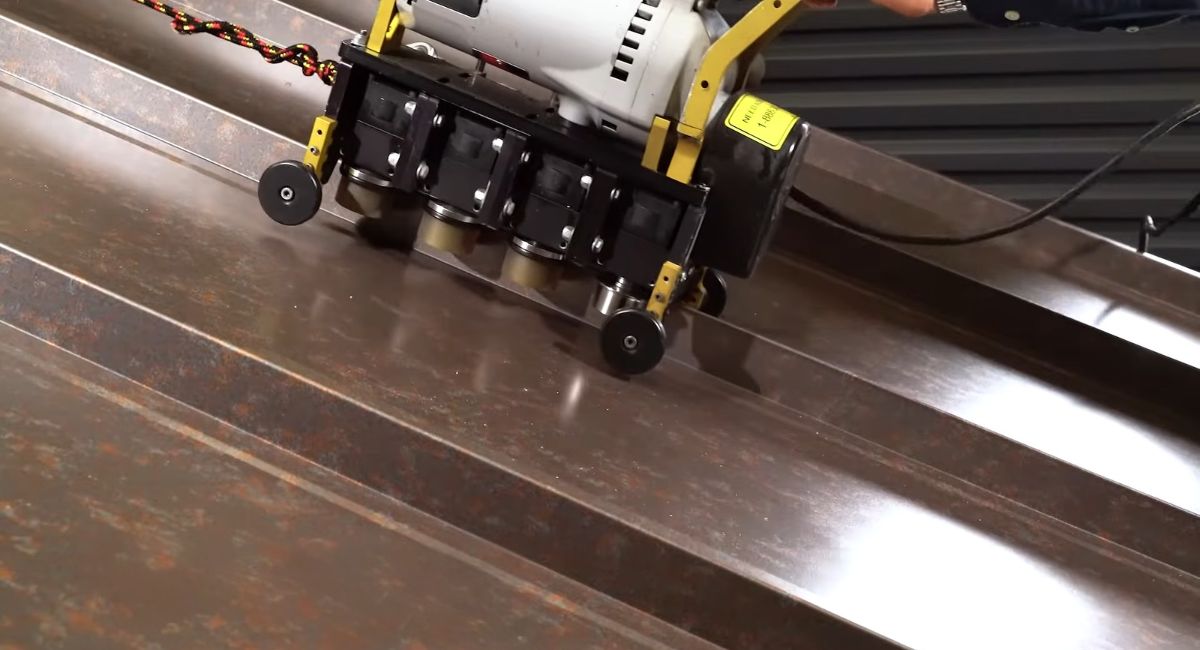
If you have watched a metal roof go on, you may have seen a small box on a long extension cord crawl up the roof by itself, humming along a raised rib.
That is a seamer, and it is folding the edges of two panels together into one locked joint.
I own more tools than I probably need, and a seamer is still not one I would keep in my garage. Each machine fits one panel shape and does one job.
That job is important, though. On many standing seam roofs, the fold the machine makes is what holds the roof down in a storm.
What the Seamer Is Actually Doing on Your Roof
A standing seam roof is made of long metal panels with a raised edge on each side, called a leg.
Neighboring legs overlap to form the rib running from eave to ridge.
Underneath, metal clips screwed to the roof deck hook over the legs, so no screws go through the panel face.
On a mechanically seamed roof, the panels go on first and the seams get closed afterward.
Watch a powered roof seamer fold the raised edges of standing seam metal panels into a locked joint.
The order usually runs like this.
- The crew sets each panel, fastens the clips and overlaps the next leg.
- Hand seamers, which look like heavy pliers, start the fold at the eave and finish spots the machine cannot reach.
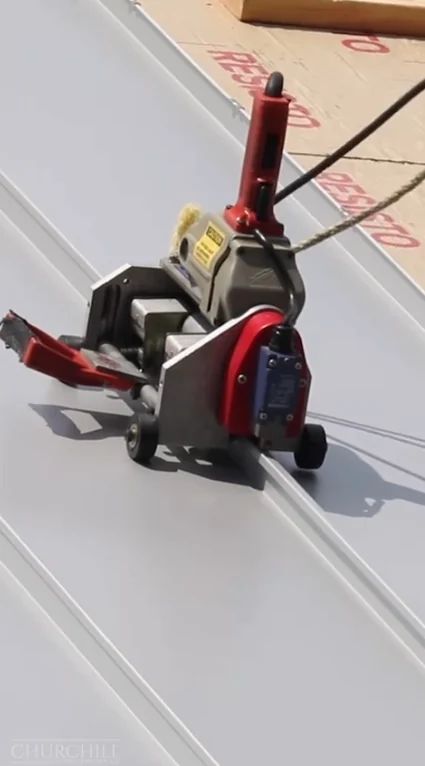
- The powered seamer clamps onto the rib and rolls up the roof, folding the legs over each other and around the clips.
The machines typically travel 30 to 50 feet per minute.
Watch a powered roof seamer travel along a standing seam metal roof, mechanically locking the panel edges together.
View this post on Instagram
Single Lock, Double Lock and Snap Lock Compared
Not every standing seam roof gets a machine. Systems differ in how far the seam is folded, which changes how low the roof can go and how hard wind must work to open it.
| Seam type | How it closes | Typical lowest slope | Where it fits best |
|---|---|---|---|
| Snap lock | Legs snap together by hand | About 3 in 12 | Steeper homes in moderate wind |
| Single lock | Folded once, about 90 degrees | Lower than snap lock, by manufacturer | Low slopes and long runs |
| Double lock | Folded twice, a full 180 degrees | Often 1 in 12, some down to 1/2 in 12, usually with seam sealant | Coastal wind, heavy snow, very low slopes |
Slope is rise over run. A 3 in 12 roof rises 3 inches for every 12 inches it runs sideways.
The panel manufacturer sets the real minimum for each profile, and it changes with seam height, sealant and local weather.
Why a Folded Seam Holds Better in High Wind
Wind does not push a metal roof off. It pulls. Fast air lowers the pressure above the panels, so the flat part bulges upward and pries at both seams.
A snap lock seam is held mostly by the spring of the metal, so enough bulge can pop it like a lid on a plastic tub. A folded seam wraps the legs around each other and around the clip, which gives that prying force much less to work with.
The government’s Building America guide to metal roofs shows two roofs that failed in storms. On one, the snap locks popped open. On the other, the clips sat too far from the edge.
What FEMA found. After Hurricane Ike, FEMA’s 2009 report on metal roofs said that where homes must be built for winds of 110 mph or more, crews should double up the clips along the eaves, ridges and hips and set the first one 2 to 3 inches from the edge.
The Seam Has to Hold Tight and Still Let the Panel Move
Metal grows when it heats up and shrinks when it cools. Anyone who has worked a roof in summer heat knows a panel in full sun gets too hot to touch, and that same panel sits below freezing a few months later.
Good clips allow for that. The clip hooks the seam, but the panel can slide a little inside the fold. If the seam is crushed too tight around a fixed clip, the panel cannot move, and the stress shows up as wavy panels, called oil canning, or clips pulling loose.
Did you know? Using a standard expansion rate for steel of about 0.0000065 inch per inch per degree Fahrenheit, a 40-foot steel panel with a 100°F swing changes length by roughly 5/16 inch. An aluminum panel of the same length moves about twice as much. That is my own math, showing why long runs need room to slide.
What Goes Wrong When Seaming Gets Rushed
The seamer handles the long, easy stretch.
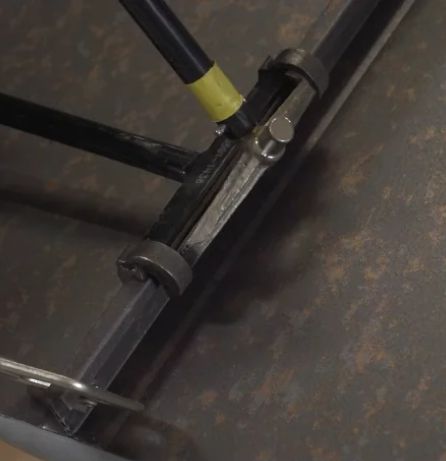
Trouble usually starts in the short spots done by hand. In a seaming best practices article on Building Design and Construction, the panel maker MBCI calls improper hand tooling the number one cause of faulty seams.
Watch for these mistakes.
- Hand crimps at clips and end laps that are skipped or done in the wrong order.
- A seamer that does not match the panel profile, which can kink or tear the legs.
- Pulling the machine off halfway up a seam instead of finishing the run.
- A weak power supply, like a long thin cord or shared generator, that bogs the machine down.
- Leaving out the seam sealant a low-slope system calls for.
Most will not show from the driveway on day one. They show up later as a leak along one rib or a seam that opens in a big wind.
What to Ask Before the Panels Go On
You do not need to climb up and inspect seams yourself, and on a slick metal roof I would much rather you did not. The useful work happens at the kitchen table, before anyone signs.
- Is this a snap lock, single lock or double lock system, and why that one for my slope and wind zone?
- Is the seamer approved by the panel manufacturer for this exact profile?
- How are clips spaced at the eaves, ridge and hips?
- Will seams be closed the same day panels are set, or left open overnight?
- Does the warranty require factory training for the crew?
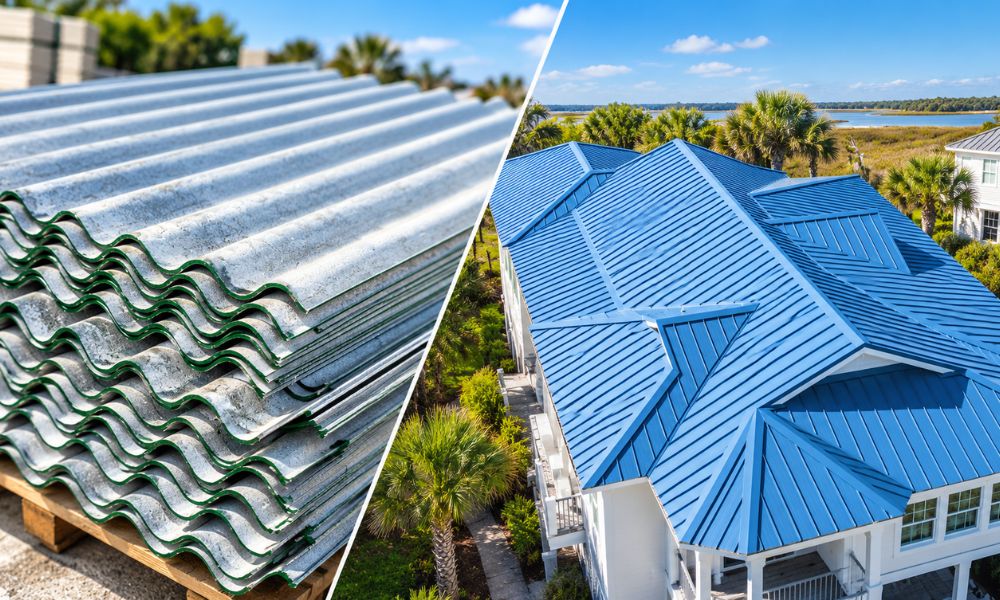
If you are still deciding between metal styles, my comparison of corrugated metal roofing and standing seam covers cost and lifespan. Solar plans matter too, since planning solar with a roof replacement affects how the rack attaches to the seams.
Watch the Seamer, Then Look at the Ribs
If you are home on installation day, you can learn a lot from the ground.
Watch whether the machine runs each seam from start to finish without stopping, and whether someone with hand seamers works the eave and ridge ends before and after it.
Once the crew is gone, look along each rib from the end of the house.
Folded seams should look even and straight, with no spots where a leg flares open or the fold stops short of the eave.
A rib that looks different from its neighbors is worth one phone call while the crew still remembers your roof.
Important Questions to Ask

I’m Mike Carter, a roofing and gutter contractor who has spent most of my working life on roofs, up ladders and around job sites. I’ve worked with everything from asphalt shingles and metal roofing to flat roofs, flashing, fascia, gutters and drainage systems.
On Gutter N Roof, I share what I’ve learned from the years of experience, so homeowners can understand what’s happening above their heads and know when something needs attention.