I cannot drive past a house with new solar panels without looking at the shingles around them. My wife knows the look by now. Too often the array is shiny and new while the roof around it is curling at the edges, and I know what that homeowner will be paying for in a few years.
A roof replacement and a solar install are two different trades, but on your house they turn into one job.
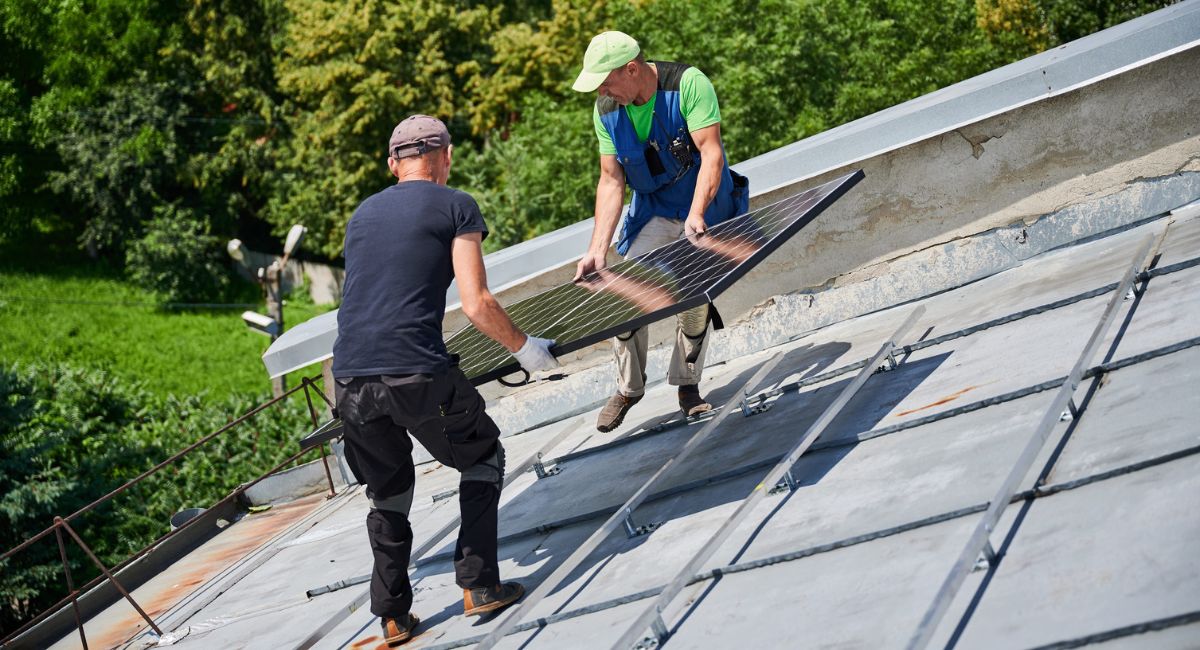
The roof has to outlast the panels sitting on it, and whoever flashes the mounts has to know exactly where those panels will go. Below is how I would plan both together.
The Roof Under the Panels Has to Outlast Them
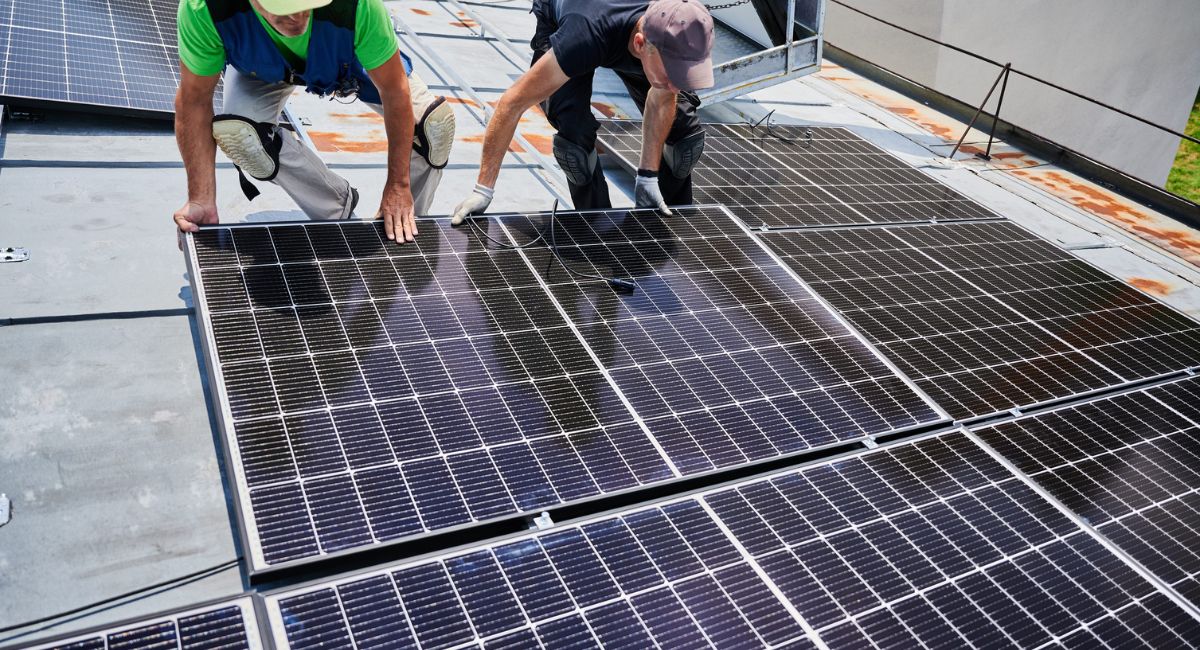
The Department of Energy puts solar panel life at about 25 to 30 years in its piece on why a roof replacement is a good time to add solar, and roofs at roughly 20 to 50 years depending on material. Asphalt shingles sit at the short end of that range.
Once panels are bolted down, the roof under them is out of reach. A shingle repair, a soft spot in the deck or a full tear-off all mean paying a solar crew to take the array down first and put it back afterward.
Detach and reset is the trade term for removing a solar array, storing it, then reinstalling and recommissioning it after roof work. It is billed separately from the roof, and depending on your town it may need its own permit and inspection.
How Old Is Too Old for Panels on Your Roof
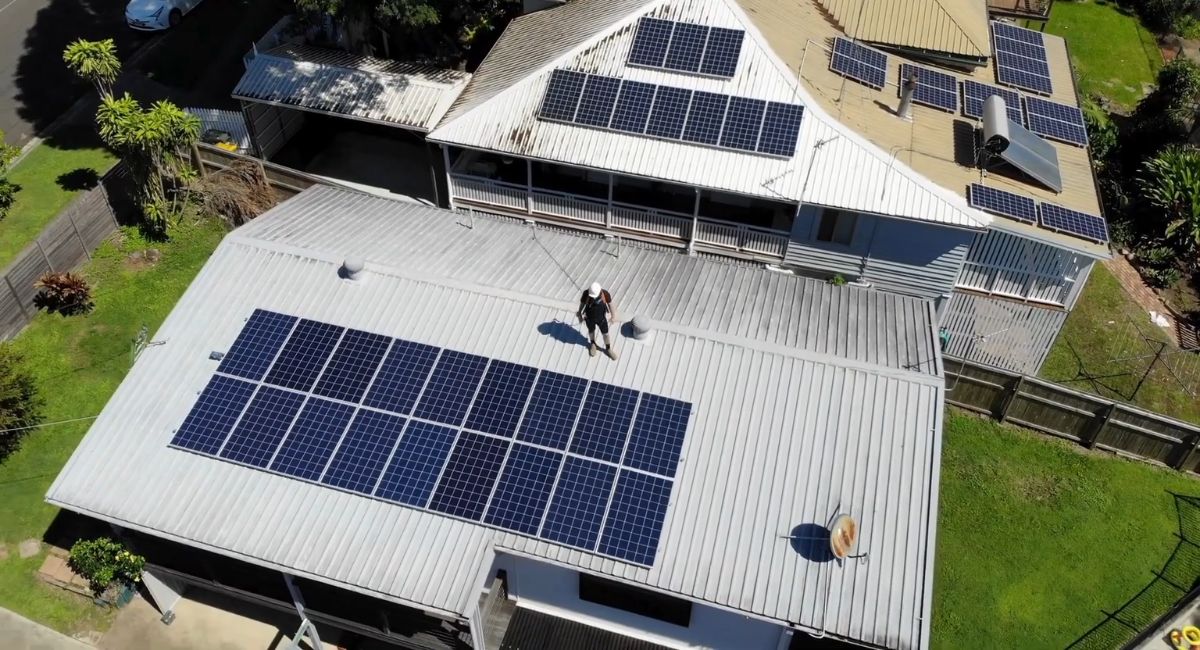
If you do not know the age of your roof, start there. My guide on how to find out how old your roof is covers it, and the building permit file is usually the best place to look.
The table assumes a shingle roof that lasts about 25 years and panels that last 25 to 30, my own rough math, not a rating.
| Roof age at install | Roof life left | Panel life left at re-roof | Detach and reset jobs |
|---|---|---|---|
| New roof | About 25 years | 0 to 5 years | Usually none |
| 5 years | About 20 years | 5 to 10 years | One, late |
| 10 years | About 15 years | 10 to 15 years | One, mid-life |
| 15 years | About 10 years | 15 to 20 years | One, early |
Installing solar panels on an aging roof can lead to unexpected expenses when the shingles eventually need replacing.
The video below from Attainable Home explains why the age of your roof matters before going solar and how planning a roof replacement early can help avoid additional removal and reinstallation costs.
On asphalt past roughly 10 years, I would replace the roof first. Metal and tile change the math, since a well-installed one can outlast the panels.
Plan the Work in This Order
Most trouble on combined jobs starts when the two crews never talk.
Whether you hire one company that does both or a roofer and a solar installer separately, put one person in charge of the schedule and get the order in writing.
- The roofer checks the deck, existing layers and attic ventilation.
- The solar designer lays out the array and shares that layout with the roofer.
- Both permits get pulled, and the utility application goes in early.
- The old roof comes off, bad decking gets replaced, and new underlayment and shingles go on.
- Mounts get bolted into rafters and flashed into the new roof.
- Panels, wiring and inverter go on, followed by inspections and permission to operate from the utility.
If the project includes a lower porch roof, have the roofer check its pitch separately before ordering materials. A porch roof may need different roofing from the main house, even when both are being replaced at the same time.
The Energy Department step-by-step guide for going solar notes that the panel install itself usually takes a few days, while permits and inspections can take weeks or months.
Whoever Flashes the Mounts Owns the Leak
Every mount is a hole in your new roof. Done right, each one is bolted into a rafter, and a metal flashing slides under the shingle course above it so water runs over the top and keeps going.
Done wrong, it is a bolt through the shingle with a dab of sealant, and sealant over a hole is a shortcut, not a fix.
Leaks at mounts are tricky because water follows a rafter or the deck and can show up as a ceiling stain several feet away. By then nobody wants to own it.
Solar panels introduce additional considerations for roof maintenance, repairs and long-term performance.
The video below from PreReal discusses common problems homeowners should be aware of before installing panels, including how rooftop solar equipment can complicate future roofing work.
Before work starts, get these points in writing.
- Which crew installs the mount flashing, and with what product.
- Who answers for a leak at a mount, and for how many years.
- What the shingle warranty says about rooftop equipment or later alterations.
- Who comes back if the array ever has to come off.
Fire Code Pathways Decide Where Panels Can Sit
Panels cannot cover the whole roof. Many towns follow a version of residential code section R324.6, which keeps open strips so firefighters can walk and vent the roof.
Henrico County, Virginia, spells out its version in a solar pathway memo, with two 36-inch paths from eave to ridge on separate roof planes and an 18-inch clear strip on each side of the ridge for smaller arrays.
Your town may use a different code edition, so the solar designer should confirm local rules before the roofer starts.
A re-roof is also the cheapest moment to move a plumbing vent or box vent sitting right where the array wants to go.
What Panels Change for Your Gutters
Glass sheds water fast, and it sheds snow even faster. A layer of snow can slide off an array in one sheet and drop onto the gutter, and most gutters are not hung to take that kind of weight.
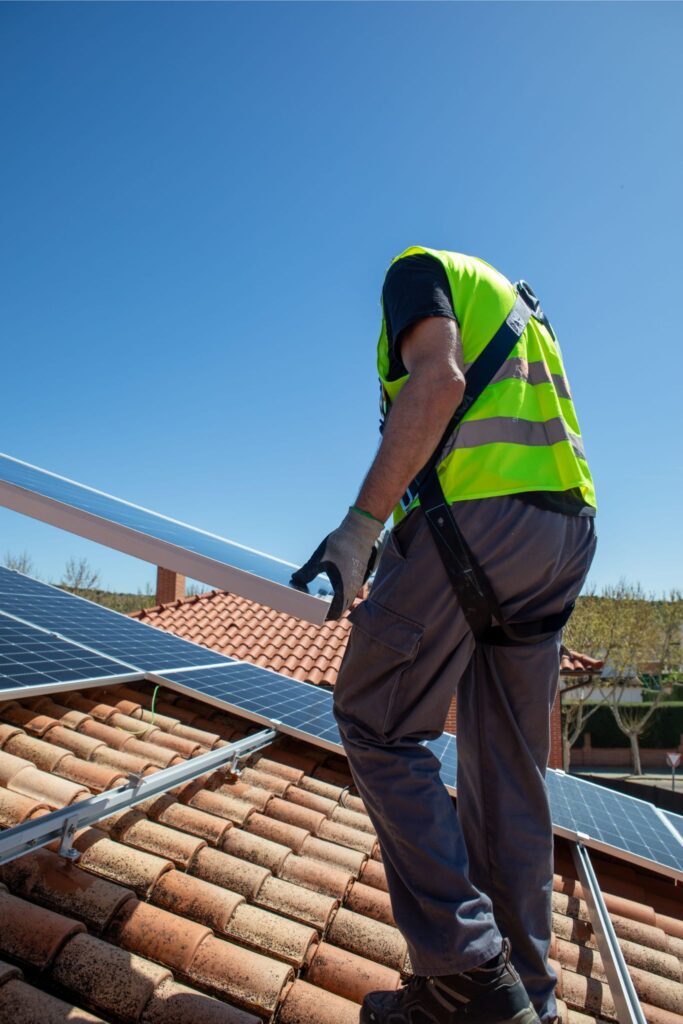
If you get real winters, ask about snow guards below the array and tighter hanger spacing on that run.
Leaves, pine needles and the odd bird nest also collect under panels, then wash into the gutters in the next storm.
Expect to clean more often, and expect the job to get harder, because nobody should be walking around a solar array to reach a gutter.
Use the re-roof to fix the edge while the crew is already there. New drip edge, sound fascia and a properly pitched gutter cost far less now than after the panels block the way.
Settle the Money, Tax and Insurance Questions First
The federal residential solar credit is gone for homeowners buying their own system.
The IRS says the Residential Clean Energy Credit is not allowed for expenditures made after December 31, 2025, and an expenditure counts as made when installation is completed.
Leases and power purchase agreements run under different rules, so ask the company in writing how any incentive affects your price.
State programs vary widely, and the DSIRE incentive database lists them. Roof prices matter too, since roof replacements cost a third more in 2025.
- Ask your insurer whether the panels raise your dwelling coverage and premium.
- Check whether your policy pays only a fraction of an older roof after storm damage.
- Get the roof, panel removal and panel install priced as separate line items.
When the Panels Are Already Up and the Roof Is Failing
Plenty of homeowners are in the opposite spot, with panels from a few years back on a roof that is now wearing out.
Removing solar panels before a roof replacement adds another layer of work and expense. In the video below, Paradise Energy Solutions walks through the removal and reinstallation process, including equipment reuse, warranty concerns and the costs homeowners should discuss before scheduling the job.
Call the original solar installer first, because a different crew can affect the system warranty. If the system is leased, the contract usually spells out who removes it.
Ask for a written detach and reset quote that separates removal, storage, reinstallation and recommissioning, and ask how long the array will be offline. T
hen book the roofer so the gap between takedown and reinstall stays short. While the roof is bare, two things are worth insisting on.
- Every old mount hole gets patched at the deck, not just buried under new shingles.
- Each new mount gets fresh flashing instead of reused hardware.
Get Both Contractors Looking at the Same Roof
Before you sign either contract, get the roofer and the solar designer looking at the same roof, in person or on one call.
Ask the roofer for an honest estimate of the years left on your shingles. The solar company should show you the mount layout and name whoever flashes each mount.
If the roof has about 10 years or less left, replace it first and set the mounts during that job.
If it is newer, have the roofer inspect it anyway and fix the small things now, because after the array goes up, even a loose shingle under the panels becomes a two-crew visit.

I’m Mike Carter, a roofing and gutter contractor who has spent most of my working life on roofs, up ladders and around job sites. I’ve worked with everything from asphalt shingles and metal roofing to flat roofs, flashing, fascia, gutters and drainage systems.
On Gutter N Roof, I share what I’ve learned from the years of experience, so homeowners can understand what’s happening above their heads and know when something needs attention.