Most homeowners who ask me about metal roofing have already collected two quotes, and the metal roof cost on one is about double the other.
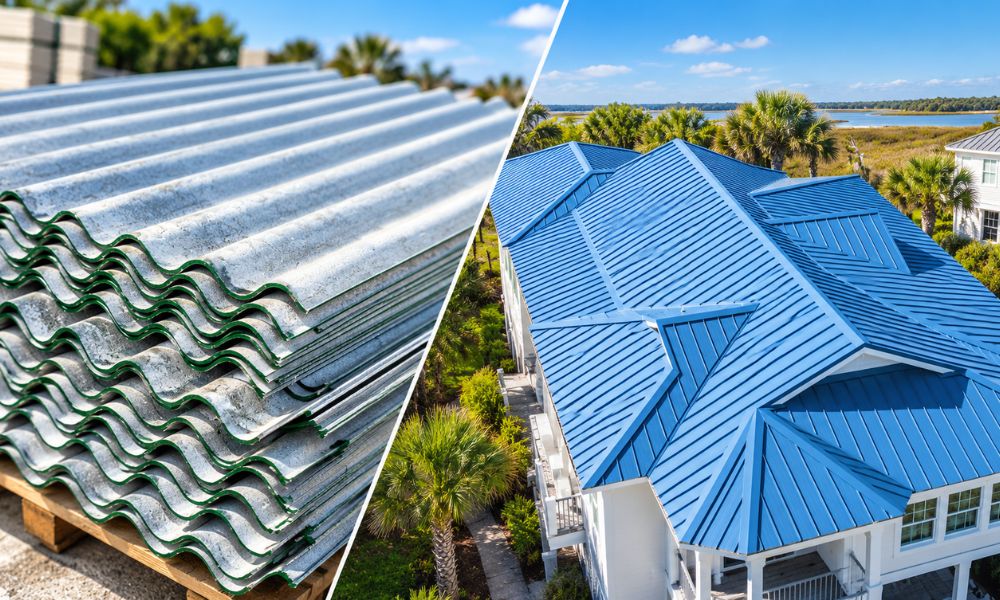
Both say “metal roof.” One is corrugated, the wavy panel you’ve seen on barns and sheds. The other is standing seam, the flat panels with raised ribs running from the ridge down to the gutter.
The standing seam vs corrugated question usually gets answered with “you get what you pay for,” which doesn’t help anyone.
The real difference is smaller and more practical than that. It comes down to where the screws go, how steep your roof is and how long you plan to stay.
Standing Seam and Corrugated Metal Roofing Side by Side
Here’s how I’d lay out the standing seam vs corrugated choice on a notepad at your kitchen table.
The cost and lifespan figures are published ranges, and I explain where each one comes from further down.
| What matters | Standing seam metal roof | Corrugated metal roofing |
|---|---|---|
| How it attaches | Hidden clips under the raised seams | Screws through the face of the panel |
| Installed cost per square foot | $7 to $30 | $3.50 to $15 |
| Typical lifespan in published guides | About 40 to 80 years | About 25 to 60 years |
| Lowest roof slope allowed by code | 1/4 inch per foot | 3 inches per foot without lap sealant |
| Regular upkeep | Inspections and cleaning | Checking and replacing screws |
The Real Difference Is Where the Screws Go
In the standing seam vs corrugated matchup, corrugated is an exposed fastener metal roof.
Every panel gets screwed through its face into the wood below, and a small rubber washer under each screw head keeps the water out.
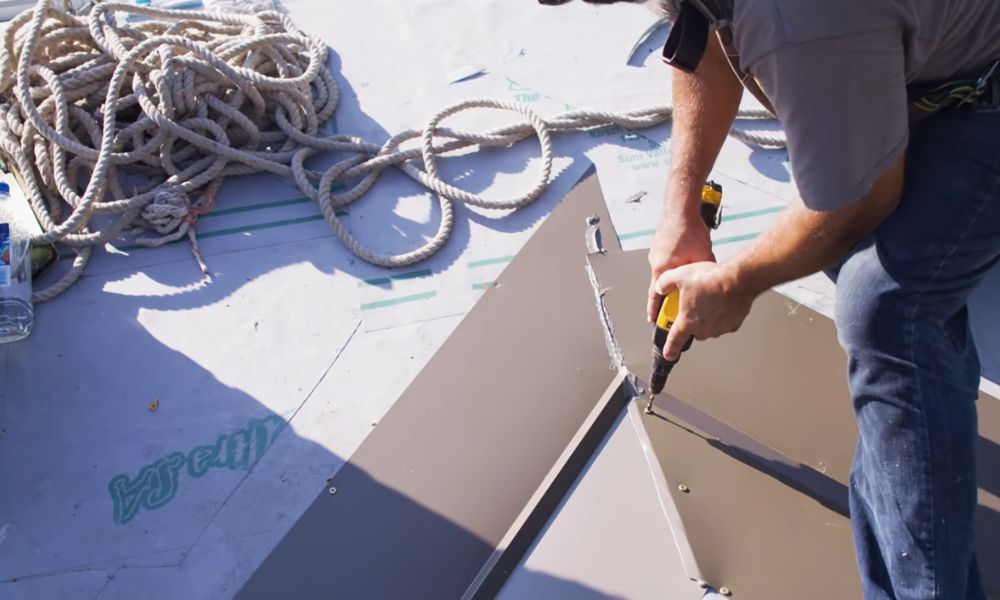
On a whole house, that’s a lot of little washers baking in the sun.
An exposed fastener metal roof is held down by screws you can see from the ground, each sealed by a washer. A standing seam metal roof is held by clips hidden under the raised seams, so the panel surface has no screw holes at all.
If you want to see what makes standing seam roofing different, The Metal Roofing Channel walks through the panel profiles, concealed fasteners and installation details in the video below. It’s a useful look at what you’re paying for before comparing quotes.
Placement matters as much as the screw. InterNACHI’s metal roof inspection guide says screws belong in the low, flat part of the profile, and that screws driven into the high ribs tend to back out. Even a perfectly placed screw depends on a washer that dries out over the years.
What Each Metal Roof Costs
Metal roof cost is the first thing everybody notices.
Angi’s standing seam vs corrugated cost comparison, updated in July 2026, puts standing seam at $7 to $30 per square foot installed and corrugated at $3.50 to $15.
Those ranges are wide because metal type, panel thickness, roof shape and local labor all move the price.
Here’s my own standing seam vs corrugated math for 2,000 square feet of roof surface.
Corrugated lands somewhere between $7,000 and $30,000, and standing seam between $14,000 and $60,000.
The low end of any metal roof cost range is usually a simple roof with few valleys, chimneys or skylights.
Did you know? Roofers price by the square, and one square is 100 square feet of roof.
A 2,000-square-foot roof is 20 squares, so when a quote says “per square,” multiply by 20, not 2,000.
How Long Each One Lasts, and Why the Numbers Disagree
Lifespan is where the standing seam vs corrugated comparison gets slippery.
I read through several standing seam vs corrugated guides from roofing companies and national cost sites, and no two agree.
- The highest standing seam estimate I found was up to 80 years, and the lowest was about 40.
- Corrugated ran from about 25 years at the low end to 60 at the high end.
- Most guides land somewhere around 40 to 70 years for standing seam and 30 to 45 for corrugated.
- One guide warned that an exposed fastener metal roof will likely need new fasteners every 10 to 15 years, long before the panels wear out.
Every standing seam vs corrugated source agrees on the order. Standing seam outlasts corrugated metal roofing, mostly because there are no screw holes to fail. Panel thickness, coating, climate and whether anyone checks the screws decide where your roof lands.
Low Slopes, Snow and Where the Water Goes
Slope is the part of the standing seam vs corrugated decision people skip, and it can make the decision for you.
According to the code figures in InterNACHI’s roof slope guide, lapped metal panels without sealant need at least a 3-in-12 pitch. A standing seam metal roof is allowed down to 1/4 inch per foot.
In plain terms, a 3-in-12 roof rises 3 inches for every foot it runs. Plenty of porch roofs, additions and low ranch roofs fall below that, and corrugated panels aren’t built for them.
On those roofs, standing seam is the only one of the two that belongs there.
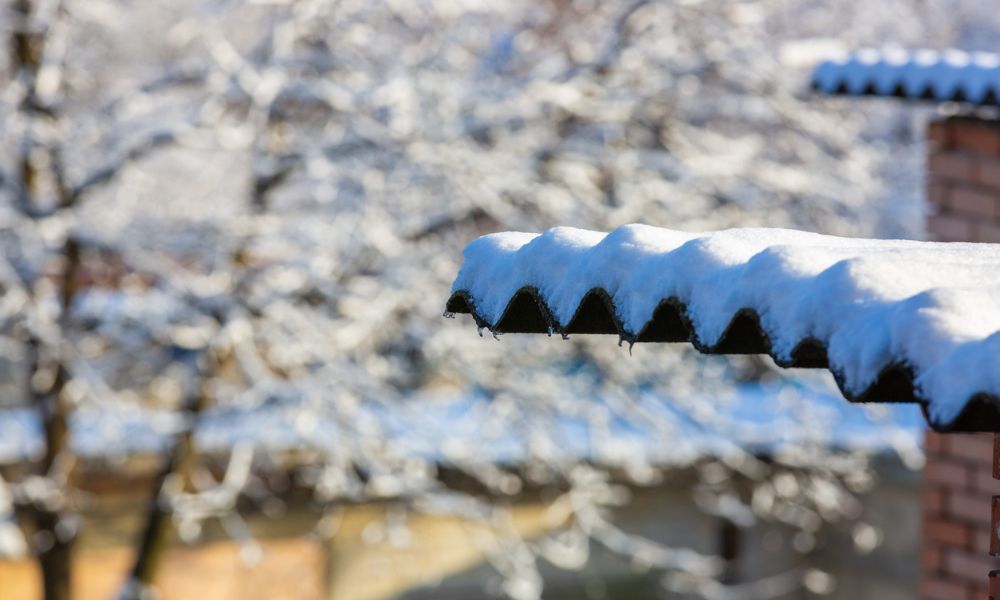
Snow worries me too, because I never stop thinking about gutters. A metal roof sheds snow in sheets, and a heavy slide can rip a gutter off the fascia.
Whichever side of standing seam vs corrugated you land on, ask about snow guards over doors and walkways.
Hail Dents and the Fine Print in Your Policy
Metal doesn’t crack like shingles in hail. It dents, and dents bring insurance arguments, so here standing seam vs corrugated matters less than your policy.
A recent appeals case shows why.
A cosmetic damage exclusion says the insurer won’t pay for hail or wind damage that changes how a roof looks without stopping it from keeping out the weather.
In July 2026, the Eighth Circuit vacated a ruling for the insurer in a Minnesota school district’s hail claim.
The court said dents that weaken a roof’s ability to carry snow or wind loads may fall outside the exclusion even without a leak.
The case went back to the lower court, so nothing is final. I’m not a lawyer, so read your policy and how it pays for a roof, as I explained in why your roof might only be worth 20 percent to your insurer.
The Things Nobody Puts in the Brochure
A few details don’t show up in sales flyers but do show up on the roof.
None of them should decide the standing seam vs corrugated question alone, but you should hear them before you sign.
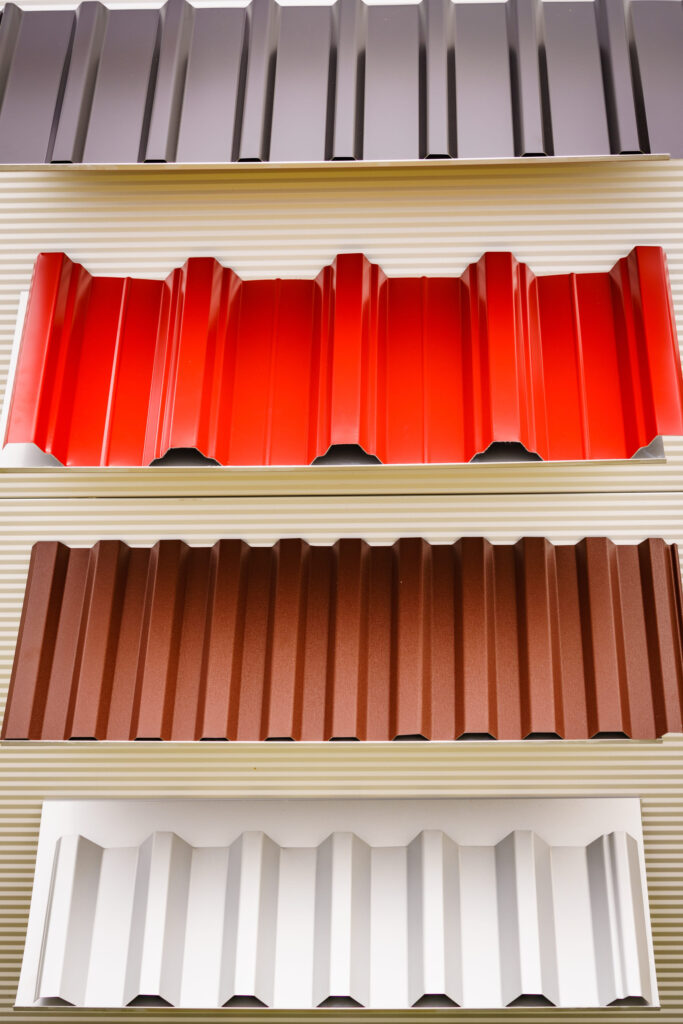
- Oil canning. The Metal Construction Association describes oil canning in metal panels as visible waviness in the flat areas. Standing seam has wide flat pans, so it shows more than corrugated.
- Rain noise. Most of the drumming depends on what sits under the metal. A solid deck with underlayment is far quieter than panels screwed over open purlins.
- Looks and resale. Corrugated still says barn or shed to a lot of buyers, while a standing seam metal roof reads as a finished house.
Ask your roofer what sits under the panels, because that layer matters as much as the metal on top.
Where I’d Put Each One
When people ask me to settle standing seam vs corrugated for them, I start with the building. I’m thrifty by nature and keep spare screws and lumber for someday, so I won’t push the expensive option by default.
For a shed, a detached garage, a carport or a simple steep roof on a tight budget, corrugated metal roofing makes good sense.
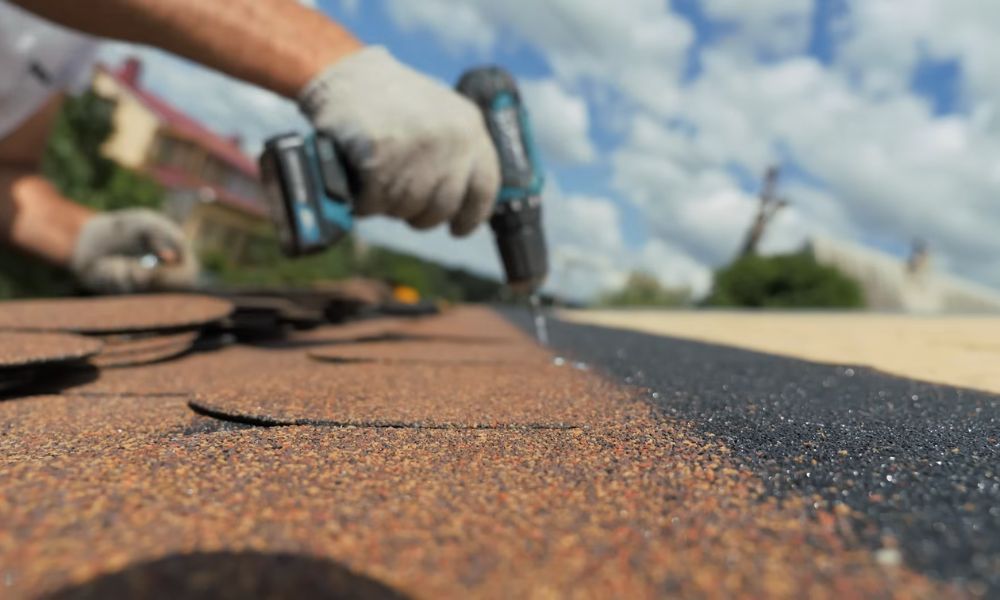
An exposed fastener metal roof just needs someone willing to check the screws now and then. It’s also the one a handy homeowner can realistically install on a small outbuilding.
For the house you plan to stay in, a low slope, a roof full of valleys and chimneys, or a place with heavy snow, I’d lean toward a standing seam metal roof. You pay more once, and you skip the screw maintenance for decades.
What to Ask Before You Sign
If you’re holding two quotes right now, the standing seam vs corrugated decision doesn’t need to be a guess. Ask each roofer three plain questions.
Metal roofing isn’t the right choice for every home, even when the materials promise decades of service.
In the video below, The Metal Roofing Channel covers 11 reasons to reconsider a metal roof, including budget limits, roof design, hail exposure and installation challenges. It’s worth watching before you commit to either option.
What gauge is the panel? Gauge runs backward, so a smaller number means thicker metal.
What holds it down, and if it’s an exposed fastener metal roof, what’s the plan for replacing screws?
What goes under the metal?
Then call your insurance agent before you sign, not after the first hailstorm. Ask whether your policy has a cosmetic damage exclusion for metal roofs. The answer can change which roof makes sense, and it costs nothing to find out.

I’m Mike Carter, a roofing and gutter contractor who has spent most of my working life on roofs, up ladders and around job sites. I’ve worked with everything from asphalt shingles and metal roofing to flat roofs, flashing, fascia, gutters and drainage systems.
On Gutter N Roof, I share what I’ve learned from the years of experience, so homeowners can understand what’s happening above their heads and know when something needs attention.