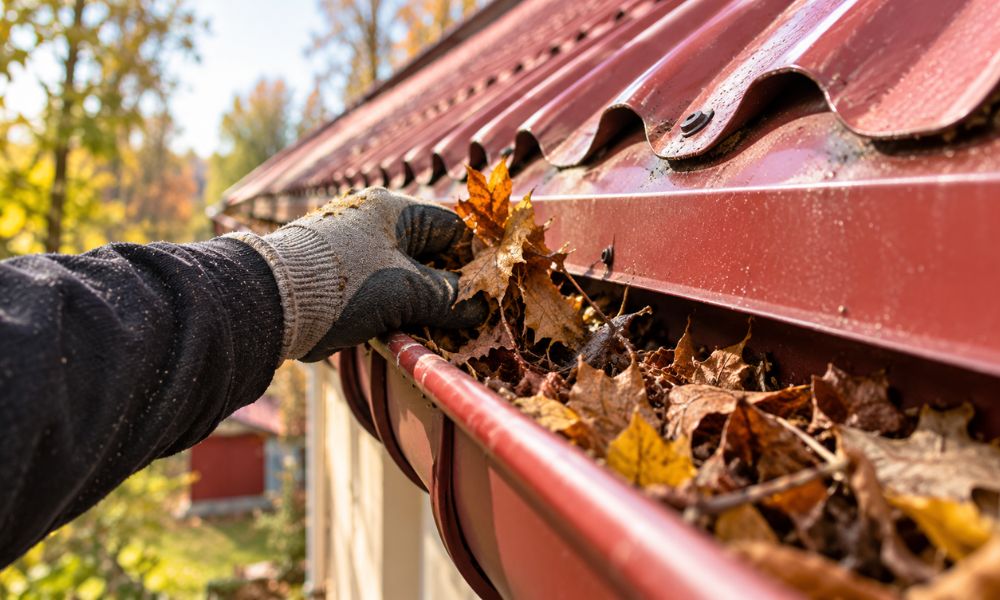
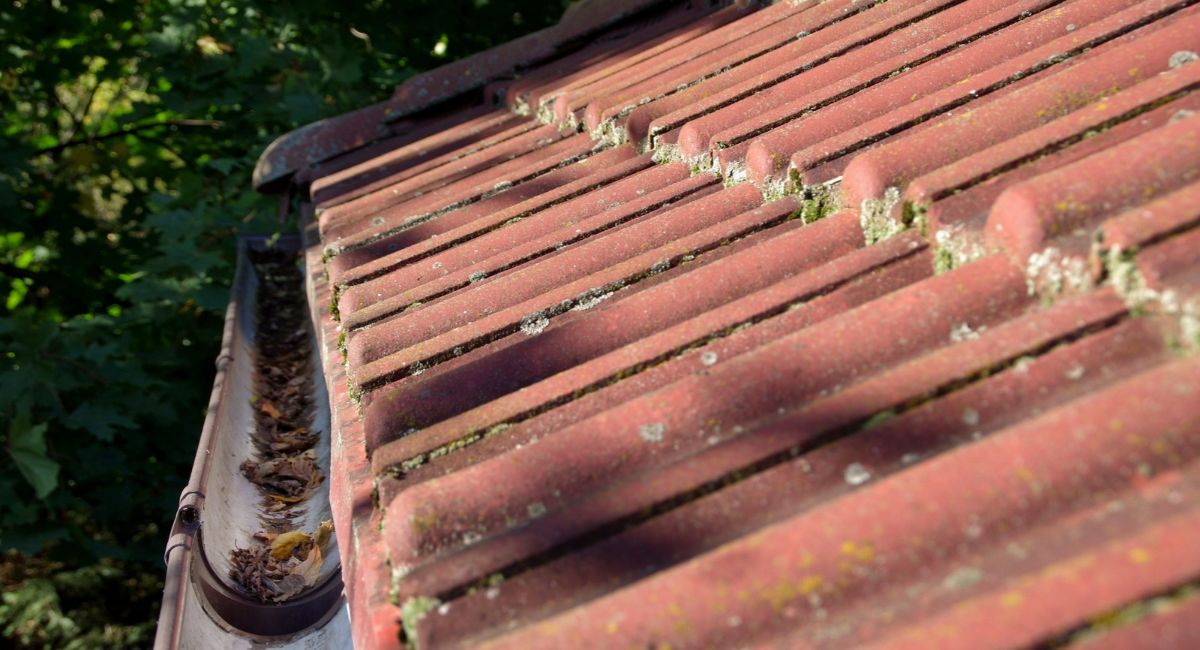
No. Leafless gutters, meaning gutters fitted with a mesh, hood or screen to keep leaves out, cut cleaning a lot, but they do not end it.
I have cleaned plenty of gutters packed solid with wet leaves, and I have installed and worked around guard systems too. The leaves stop falling into the trough, but they still land somewhere. Homeowners ask me some version of the same question.
Can I stop climbing up there? Most of the time you can climb a lot less. Below is where the debris goes once a guard is on, how to check it from the ground and what a no-clog promise really covers.
What Leafless Gutters Actually Do With Leaves and Water
A guard does not make leaves disappear. It moves the job. Before the guard, debris dropped into the trough and rotted there. After the guard, the big pieces sit on top of the mesh or at the lip of a hood.
Water gets in two ways. Mesh and screens let it fall through small openings. Hooded covers, often called reverse-curve or surface tension guards, rely on water clinging to a rounded nose and curling into a slot while leaves slide off the edge.
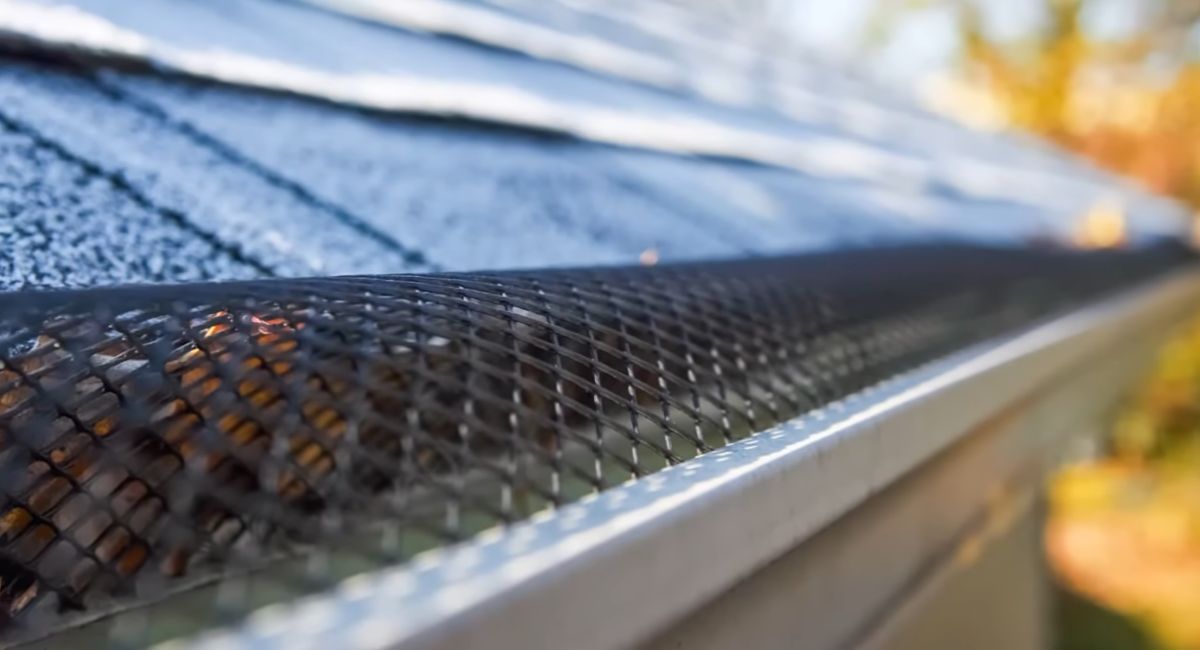
Fine material slips past both designs, and shingle grit is the one most people do not expect.
Want to see what leafless gutters look like in practice? This short video from InsideOut Home Inspection shows a gutter guard system and explains why regular cleaning is still necessary.
New asphalt shingles shed extra granules by design. In March 2025, the Colorado Roofing Association explained that manufacturers apply more granules than the asphalt can hold, and that the loose “rider granules” collect mostly in gutters and around downspouts in the first months after a new roof goes on.
Each Guard Design Leaves a Different Mess Behind
Every leafless gutter system still collects something. What changes is where, and how you get it out.
| Guard type | Water gets in | What builds up | Cleaning |
|---|---|---|---|
| Micro-mesh | Fine mesh | Matted needles, pollen film, grit below | Brush the top, flush grit |
| Hood or reverse curve | Curved nose into a slot | Debris at the slot, overshoot in hard rain | Brush the nose, clear the slot |
| Screen or perforated | Larger holes | Small leaves in holes, seeds inside | Brush the top, flush the trough |
| Foam or brush insert | Through the insert | Debris inside the insert | Pull it out and rinse it |
Foam and brush inserts are the exception, since cleaning them means pulling them out. Mesh is easiest from the top, but a sticky film of pollen and grit can slow water until the gutter spills.
Why the Cleaning Schedules Online Do Not Agree
Read five pages about leafless gutters and you will get five schedules. One cleaning company says four or five years between cleanings.
A gutter guard maker says once or twice a year, and a 2026 product review suggests a thorough cleaning about every two years.
Three things move that number more than the brand of guard.

- The trees over your roof. Pine needles mat on mesh, while maples drop seed pods that wedge into slots.
- The age of the roof. A new roof sheds grit for months.
- How hard it rains. In a Consumer Reports test of 19 gutter guard systems from 2010, most professionally installed guards resisted leaves well but were only middling in a simulated severe downpour.
I would rather you check once a year and clean when the check says so than follow anyone’s calendar. The test is old, but water still behaves the same.
What I Check From the Ground After a Good Rain
Most of what you need shows up during a steady rain. My wife teases me for spotting dark streaks on strangers’ houses during drives, and those streaks are what to look for.
- Stand where you can see the whole run. Water sheeting over the front means a matted guard or an overshooting hood.
- Watch each downspout. A trickle while the gutter spills means a clog in the outlet or elbow, below the guard.
- Check the fascia and siding under the gutter. A dark line or peeling paint means water is getting behind it.
- On a dry day, zoom in with your phone. Matted needles or seedlings mean a cleaning is due.
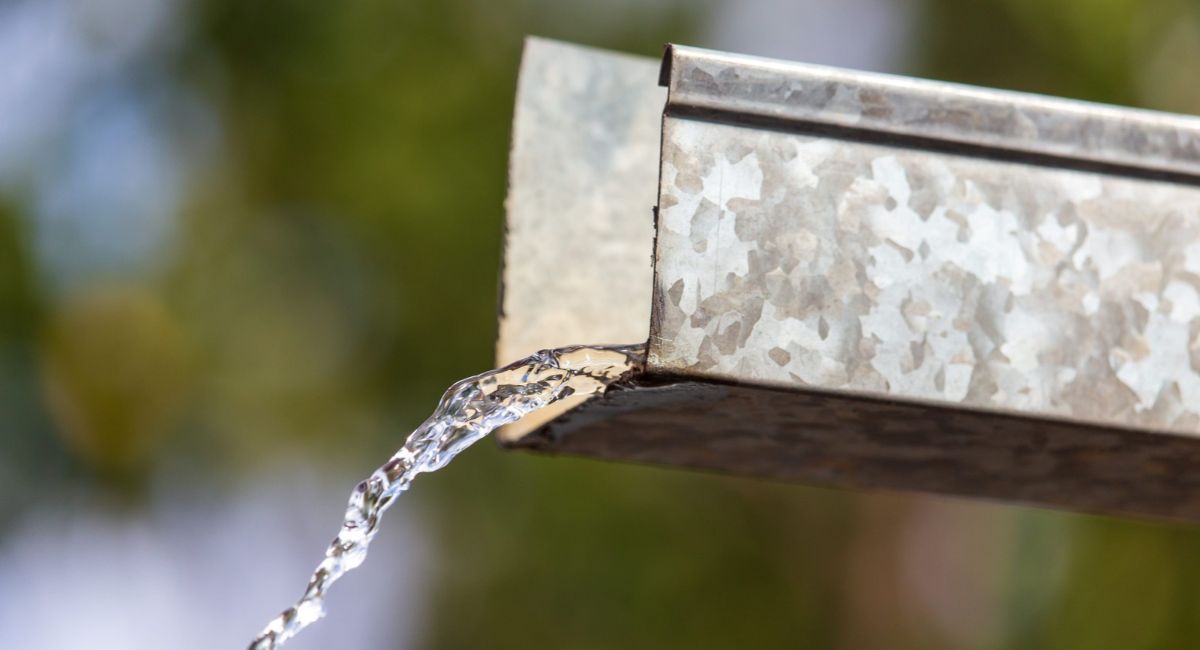
If water still spills over a debris-free guard, the problem may be the gutter’s slope, downspout capacity, or how much runoff the roof sends into it.
Even clean gutters can overflow under the wrong conditions.
Keep inspections within safe reach and leave higher work to a professional, since falls during gutter cleaning can lead to emergency room visits.
What a No-Clog Guarantee Really Promises
Read the guarantee before the brochure. When Truth in Advertising reviewed LeafGuard advertising in January 2022, the watchdog pointed to a disclaimer promising the gutters would not clog or the company would clean them free, with the homeowner scheduling the visit. A promise to clear a clog admits one can happen.
The same group questioned LeafFilter’s ladder claim in December 2021 and counted nearly 2,000 Better Business Bureau complaints over three years, many about clogged screens and overflow. Those are a watchdog’s findings, not a court ruling.
Federal rules put the burden on the seller. The Federal Trade Commission’s advertising guidance says companies must have proof for a claim before the ad runs, and fine print cannot contradict what the main ad says.
Questions I Would Ask Before Signing
Most guard trouble I run into starts at the sale, not the install.
A salesman will tell you what leafless gutters keep out. Ask what they let in, and get the answers in writing.
- Who cleans the top of the guard and the downspouts, and how often is that included?
- Does overflow in a hard downpour count as a clog under the guarantee?
- How is the guard attached, and does any part slide under the shingles?
- Can it come off without damage for gutter repairs?
- What does the warranty exclude, such as storm damage or later roof work?
If you are still deciding whether a guard makes sense at all, my notes on which gutter guards suit which trees cover that part.
I keep screws I may never use, but I will not tell anyone to buy a guard their trees do not call for.
Still wondering which gutter guard design works best? This video puts four types to the test, showing how different systems handle debris and why choosing the right one matters.
Homeowners Ask Me This:
Here is the Schedule I Would Hand You in the Driveway
Do the ground check after the first big rain of fall and again after spring pollen drops.
If the water goes where it should and the fascia stays clean, leave the guards alone another season.
When a cleaning comes due, it should be a brush and a hose, not a bucket of black sludge.
Keep the guarantee paperwork with your house records and note the date of each check.
The first time someone tells you leafless gutters never need cleaning, you will know what to ask next.

I’m Mike Carter, a roofing and gutter contractor who has spent most of my working life on roofs, up ladders and around job sites. I’ve worked with everything from asphalt shingles and metal roofing to flat roofs, flashing, fascia, gutters and drainage systems.
On Gutter N Roof, I share what I’ve learned from the years of experience, so homeowners can understand what’s happening above their heads and know when something needs attention.