
When a homeowner asks me how old their roof is, my honest answer usually starts with another question. Who gave you the number? Sellers, agents and previous owners tend to round off, and in my experience “about ten years” gets said far more often than it turns out to be true.
Paperwork disappears. Warranties end up in a kitchen drawer that left with the last owner, and receipts get tossed during a move.
Still, a roof leaves a trail behind it. Public records, old aerial photos, the attic and the shingles themselves can usually narrow the install date to within a few years, and sometimes to the exact month.
Start With the Permit Office, Never The Seller
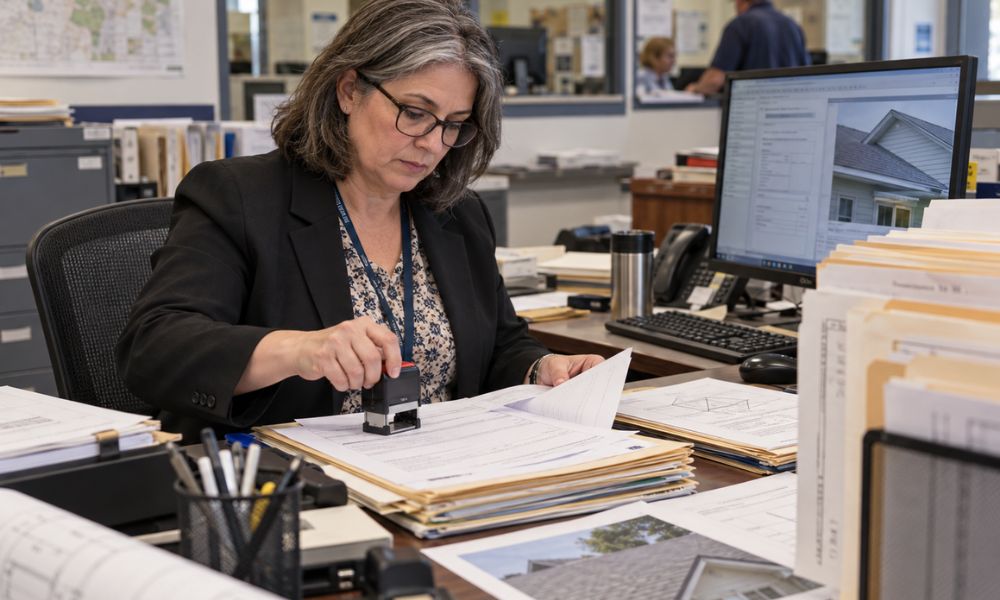
The first place I send people is the city or county building department.
In most places I have worked, a full tear-off and reroof needs a permit, and that permit carries a date, an address and usually a contractor name.
Many departments now run online portals where a search by address takes a few minutes.
Once you find a record, read the work description before you trust it.
- A line reading “reroof” or “roof replacement” is the strongest evidence you will find.
- “Roof repair” usually means a patch or a single slope, not the whole roof.
- An issue date with no final inspection can mean the job closed without anyone signing off.
- A missing permit proves nothing on its own.
Some rural and unincorporated areas never required roofing permits, and some crews skipped them where they were required. An empty search result tells you to keep digging.
Ask the People Who Were There
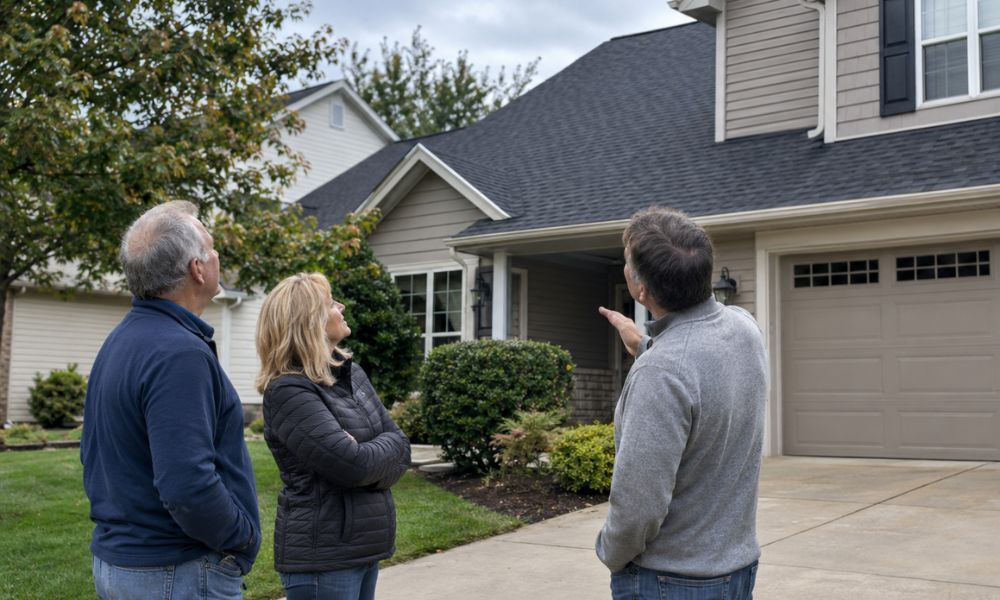
Previous owners are easier to find than people expect. Their names sit on the deed in county recorder files, and a polite note asking which company did the roof often gets a reply.
Homeowner associations sometimes keep approval files too, because many make owners submit shingle colors before work starts.
Neighbors are my favorite source, though. Half of what I know about my own street I picked up standing around a grill on a Saturday afternoon.
Long-time residents remember the summer dumpsters lined the block, and in planned subdivisions the original roofs usually went on within a year or two of each other.
The NOAA Storm Events Database lets you search your county for hail reports going back to the 1950s. One big hailstorm often sets off a wave of insurance replacements, so a storm date can explain why half the street has newer shingles.
Look at Old Satellite Photos of Your House
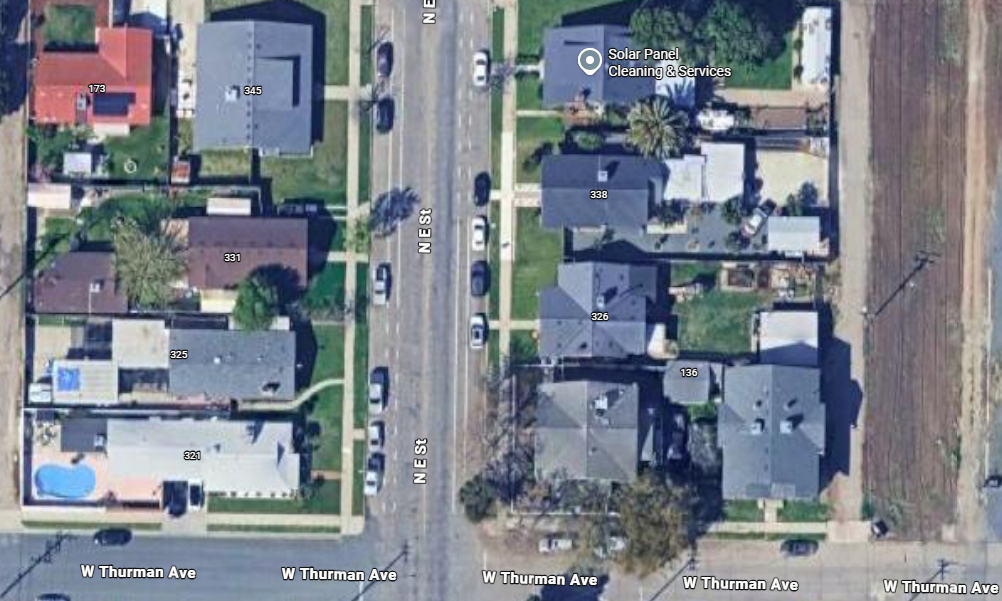
My wife finds this method the funniest, because it turns me into the guy squinting at a laptop at the kitchen table instead of at somebody else’s chimney from the car.
It works, though. The desktop program Google Earth Pro has a clock icon that opens a time slider with every image available for that spot, each one labeled with its date, as Google shows in its own training on historical imagery.
Scroll back image by image and watch the roof color. A fresh asphalt roof usually shows up as a clean, even tone, and a sudden change between two images brackets the replacement between those two dates.
Dumpsters in the driveway or blue tarps on the roof make even better clues. Coverage varies by location, and older images can be too blurry to read, especially for rural houses.
What I Look For When I Climb Into the Attic
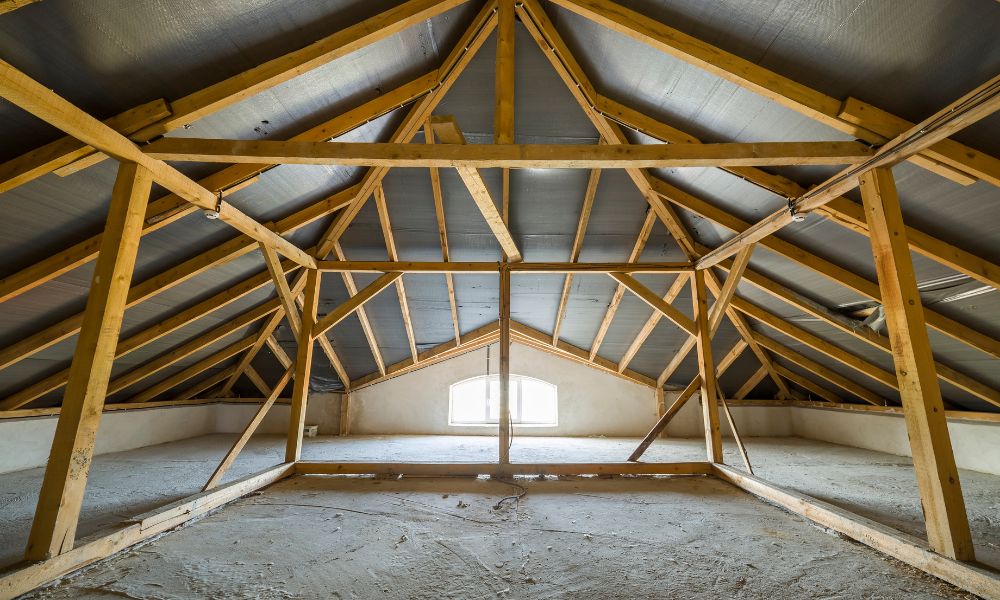
An attic often tells me more than the roof surface does. I am the guy who keeps coffee cans full of old nails and screws in the garage, so anything a past crew left behind jumps out at me.
Bring a good flashlight and look for three things.
- Leftover bundle wrappers or shingle scraps, which sometimes carry a lot code or production date the manufacturer can decode.
- Pencil or marker notes on rafters, since crews and inspectors occasionally write dates, names or measurements there.
- Roof decking that looks noticeably cleaner and lighter than the rafters, a sign the sheathing was replaced during a later reroof.
Stay on floored areas and step only where you can see a joist. More than one ceiling I have been called to look at was damaged by a foot going through the drywall, not by water coming through the roof.
Before you try to guess your roof’s age from how the shingles look, it helps to understand what a professional inspection involves. The video below from Peek Inspections offers a closer look at roof inspection, giving homeowners useful context for evaluating their own roof.
View this post on Instagram
Reading the Shingles From the Ground
Nobody needs a ladder for this part. After seeing how many people end up in the emergency room after gutter work, I would rather you grab binoculars.
| What you see | What it usually points to | How much I trust it |
|---|---|---|
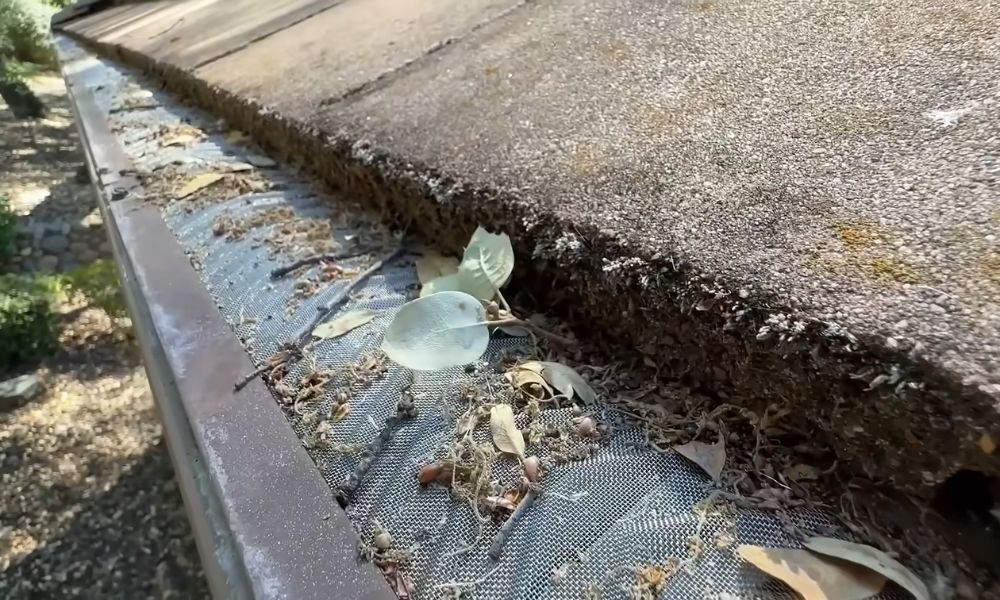
| Granules piling up in gutters or at downspout outlets | Shingles wearing through their protective layer | Moderate, since new roofs shed loose granules too |
| Curled, cupped or cracked tabs | A roof in the back half of its life | High, especially on south and west slopes |
| Flat three-tab shingles across the whole roof | Often older work, since dimensional shingles became standard | Moderate |
| Moss packed between shingle rows | Years of exposure in damp, shaded spots | Low to moderate |
No single sign gives you a year. Identical roofs can age at very different speeds depending on sun, attic ventilation and shade, so treat wear as a range and records as the anchor.
Why Your Insurer Cares About the Date

Insurers want the roof year for pricing, renewals and depreciation. On an actual cash value policy, an older roof can be worth a small share of what it costs to replace.
Under section 627.7011 of the Florida Statutes, an insurer may not refuse to issue or renew a homeowners policy solely because of roof age when the roof is less than 15 years old. For roofs 15 years or older, an inspection showing at least five years of remaining useful life also blocks a refusal based only on age.
Other states handle roof age differently, and many leave it to individual insurers. If your estimate and the insurer record disagree, send them the permit printout or dated aerial screenshots instead of arguing from memory.
Where I Would Start This Week
If I were standing in your driveway this week, I would pull the permit history first, then open Google Earth Pro, then climb into the attic with a flashlight, and only then look hard at the shingles.
Write down the year you land on along with the evidence behind it.
Save the permit printout, the aerial screenshots and any wrapper scraps in one folder, and note the date in marker on a rafter near the attic hatch.
When the next roof goes on, staple the invoice and warranty registration to that folder before the crew truck pulls away, so the next owner never has to play detective.
If you’re still unsure how old your roof is, a professional roofer can help you understand what to look for. In the video below, Frontline Exteriors & Construction shares expert tips on estimating a roof’s age and identifying clues that homeowners might otherwise overlook.
Questions Homeowners Ask Me About Roof Age
1. Can I Still Use the Manufacturer Warranty if I Bought the House?
Sometimes. Many shingle warranties allow a limited transfer to a new owner, but the terms often require registration within a set period after the sale and may shorten the coverage. Once you identify the shingle brand, read its warranty terms or call the company directly.
2. Does a Partial Replacement Reset the Roof Age?
Not for the whole roof. When one slope gets replaced after a storm, the house ends up with two roof ages, and an insurer or inspector may go by the older section. Keep any invoice showing exactly which slopes were redone.
3. Do Metal and Tile Roofs Show Age the Same Way?
No. On metal, I look at fastener washers, sealant at the seams, faded paint and rust at cut edges. Tile can outlast the underlayment beneath it by decades, so a tile roof sometimes gets lifted and re-laid over new underlayment, and the tiles may be much older than the layer keeping water out.
4. What Is a Roof Certification?
A roof certification is a written statement from a roofer estimating how many years of service the roof has left. Buyers, lenders and insurers sometimes ask for one. It reflects a professional opinion about condition, not a record of when the roof went on.

I’m Mike Carter, a roofing and gutter contractor who has spent most of my working life on roofs, up ladders and around job sites. I’ve worked with everything from asphalt shingles and metal roofing to flat roofs, flashing, fascia, gutters and drainage systems.
On Gutter N Roof, I share what I’ve learned from the years of experience, so homeowners can understand what’s happening above their heads and know when something needs attention.