A week after the Fourth of July a couple of summers ago, I was cleaning gutters on a house under a pair of tall pines.
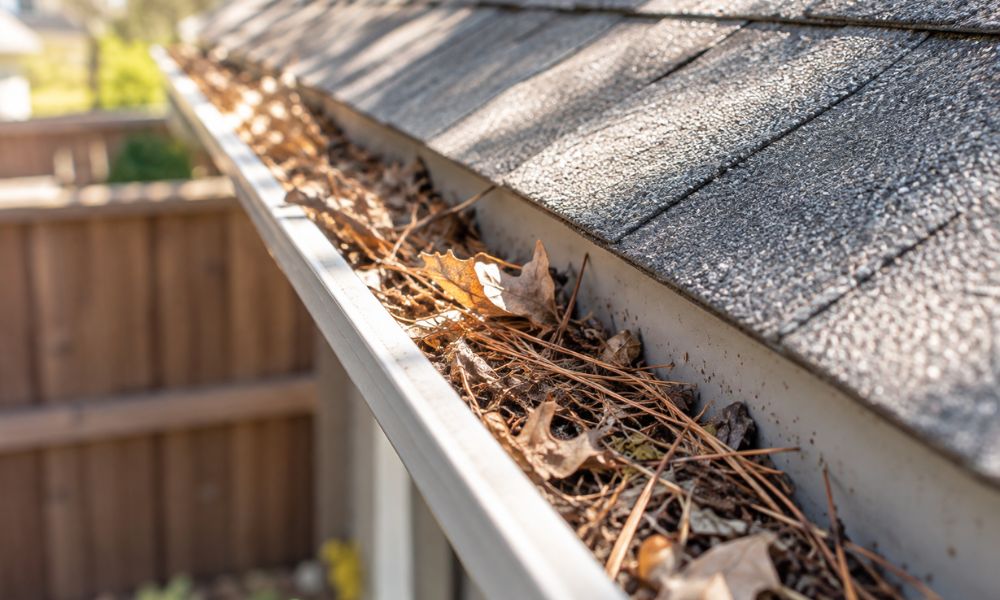
Halfway along the back run, my glove came up with needles that were black on top and crumbly underneath.
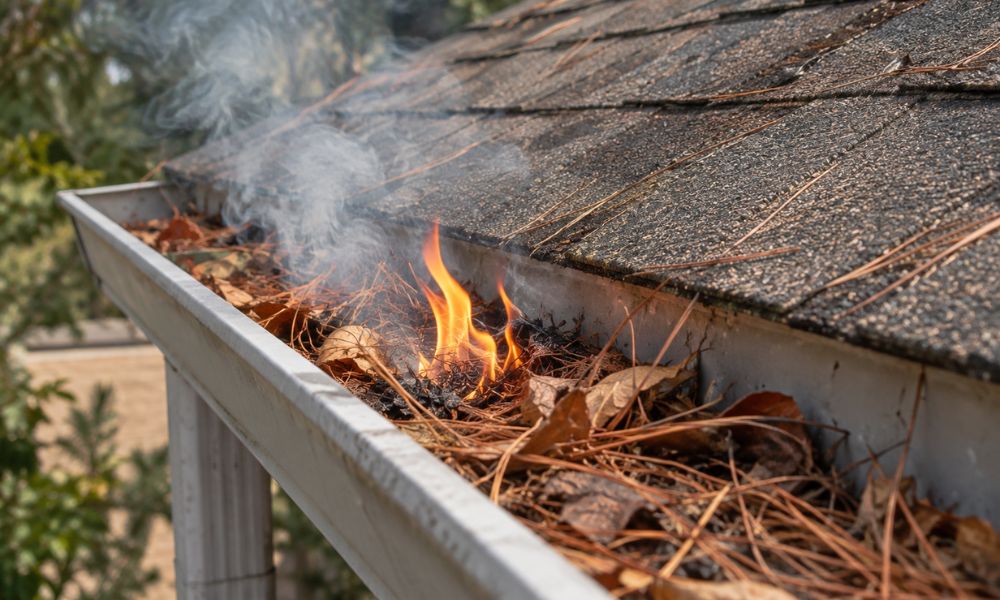
A neighbor had been setting off fireworks, and one spark had come down in that gutter. The needles were damp from a storm two days earlier, so it smoldered and died.
A wildfire works the same way on a bigger scale. Wind carries burning embers a mile or more, and a gutter full of dry debris is one of the easiest places for them to land.
How Far Wildfire Embers Can Really Travel
The one-mile figure is not a scare number. CAL FIRE states in its guide to hardening your home that embers are capable of igniting homes up to a mile away. Other agencies put the reach farther.
| Agency or group | What it says about ember travel | Date of the statement |
|---|---|---|
| CAL FIRE | Embers can ignite homes up to a mile away | Current guidance page |
| U.S. Fire Administration | Winds can deposit embers several miles downwind | Updated September 17, 2024 |
| Insurance Institute for Business and Home Safety | Embers can fly for miles ahead of the fire front | March 12, 2019 |
A mile is a common reach, and on a windy day the flames do not have to be in sight for embers to find your roof.
Why a Gutter Full of Needles Makes an Easy Landing Spot
I learned how embers behave long before I worried about wildfires, standing next to a charcoal chimney on a breezy Saturday.
Sparks lift out of the top, drift with the wind and drop wherever the air slows down. Most die on the concrete, but the ones that reach dry leaves keep glowing.
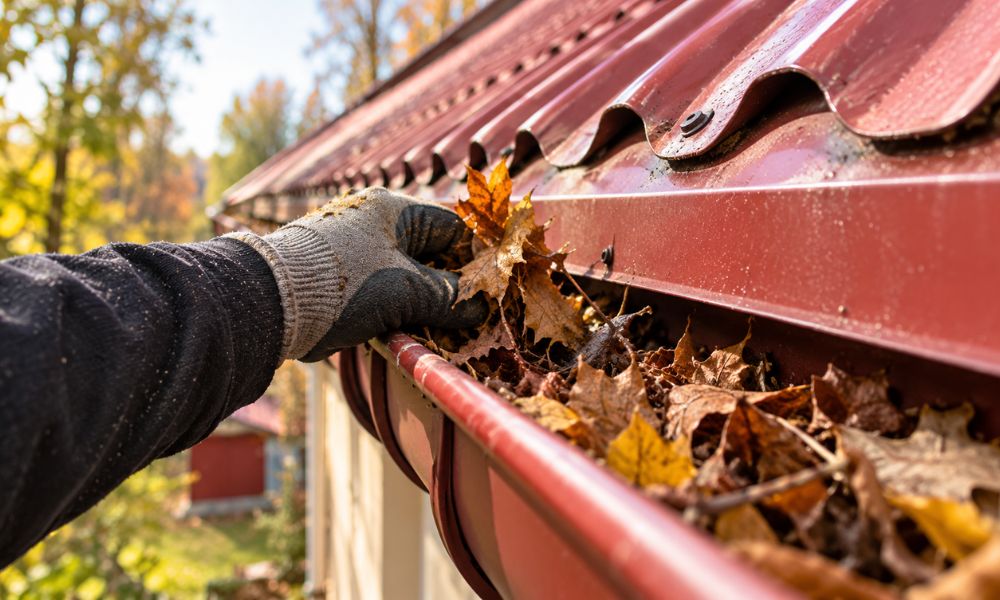
A gutter is a trough that catches whatever the roof sheds. Leaves, needles, twigs and shingle grit pile up and dry out fast in summer heat.
A 2023 study of ember accumulation near buildings found embers piled up most right next to the structure, which is exactly where a gutter hangs.
As many as 90 percent of homes and buildings damaged or destroyed during wildfires were first ignited by embers or by fires that embers started, according to a 2019 research announcement from IBHS.
What Happens After the Debris in a Gutter Catches
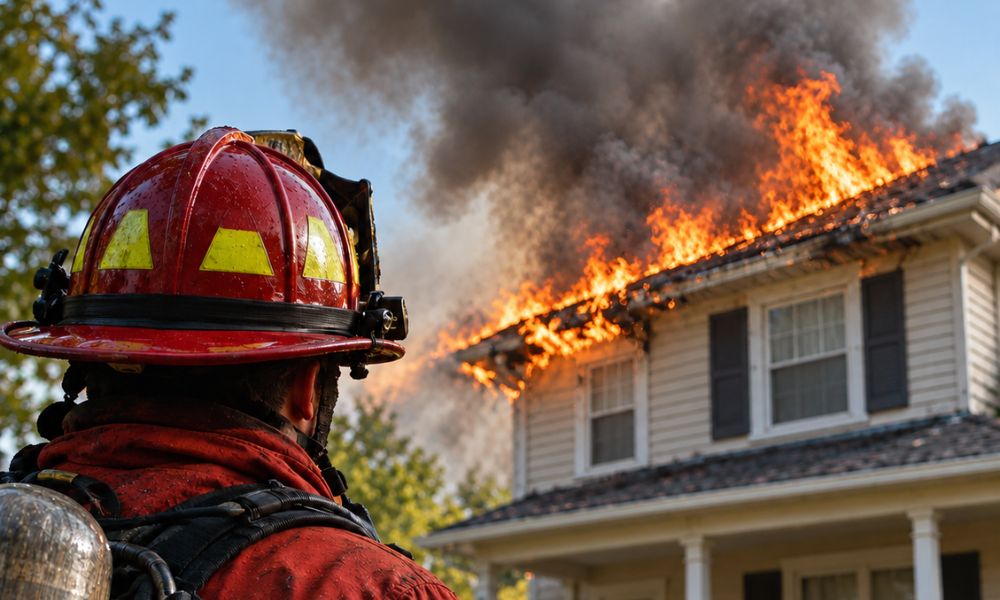
A burning gutter rarely stays a gutter problem.
The Santa Barbara County Fire Safe Council gutter guide, which draws on University of California research, describes how the fire moves from there.
- Flames heat the roof edge, the fascia board behind the gutter and the first row of shingles.
- Fire can climb into the eaves and from there reach the attic.
- A scorched roof edge is easier for the next wave of embers to ignite.
- Vinyl or plastic gutters melt, fall to the ground and keep burning against the wall.
I have seen the vinyl part on a small scale. A customer once parked a gas grill under a vinyl gutter, and after one long cookout the section above it sagged into a U. A grill lid puts out a fraction of the heat a burning pile of needles does.
What California Code Requires and What Is Still Pending
California already writes gutters into its rules for new homes in fire zones.
The 2025 California Wildland-Urban Interface Code took effect on January 1, 2026, and a Los Angeles building department checklist quotes the gutter section word for word.
Section 504.4 of the 2025 California Wildland-Urban Interface Code requires gutters and downspouts made of noncombustible material, along with an approved means to keep leaves and debris from collecting in the gutter.
The newer Zone 0 rules for the first 5 feet around a house are still waiting.
According to a summary of the adopted Zone 0 package, the Board of Forestry approved them on August 19, 2026, including a duty to keep roofs and gutters clear.
The state log of emergency regulation actions shows the Board withdrew the filing on September 8. When I checked in early October, no approval was posted, so Zone 0 is not enforceable yet.
Gutter Guards Help Only When They Are Made of Metal
CAL FIRE also recommends noncombustible gutter covers, and the code above asks for an approved way to stop leaves from piling up.
Noncombustible is the word that matters, because a guard that can burn adds fuel instead of removing it.
I have pulled out plenty of foam inserts and plastic brush guards, usually packed with silt and sprouting weeds.
On a house near brush or tall trees, I would not install them, since they turn the gutter into a longer strip of fuel.
Perforated or fine-mesh metal is what I put on those homes. Needles still collect on top, so even metal needs a look every fall.
View this post on Instagram
A Fire Season Gutter Routine Worth Keeping
In bowling, a gutter ball costs you one frame. A neglected gutter in fire country can cost a roof, so this is the routine I suggest to homeowners in wooded areas.
- Clean gutters and roof valleys before your local fire season starts, then again after the trees drop their leaves or needles.
- Check the runs under pines after any strong wind, since one gusty day can refill them.
- Bag the debris and haul it away instead of piling it beside the house.
- Look for gaps where the roof edge meets the fascia, and ask about a metal drip edge, which CAL FIRE also recommends.
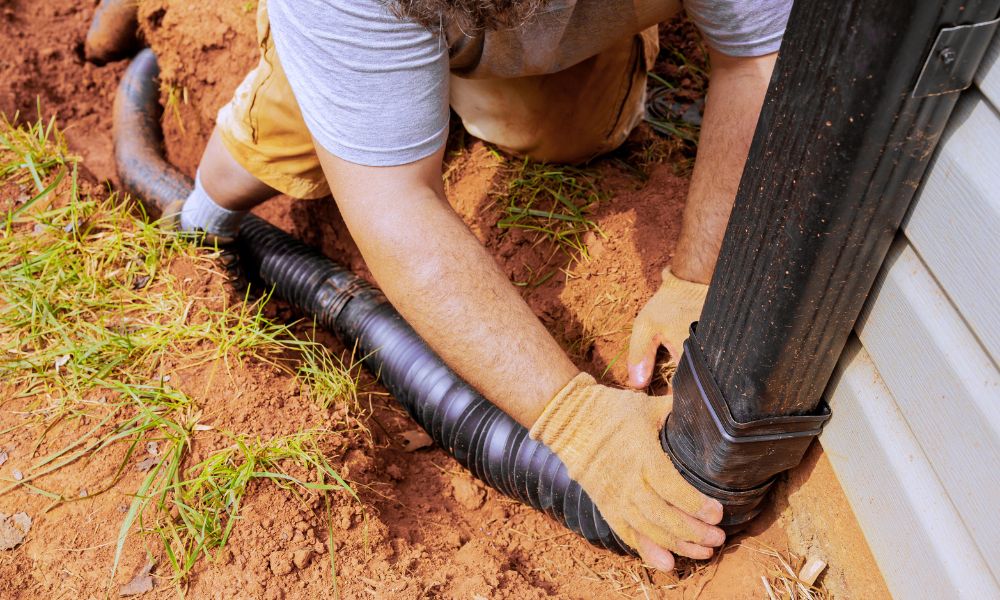
- Clear downspout elbows so a clog does not hold a plug of dry material.
Take the ladder seriously on a two-story house or soft ground. A national study of ladder injuries found they put patients in a hospital bed about twice as often as consumer product injuries overall, and gutter cleaning trips to the ER add up every fall.
Frequently Asked Questions
Check the Gutter That Holds the Most Needles First
The needles in that pine-shaded gutter went out only because a storm had soaked them two days before.
During a red flag warning, with hot wind and low humidity, nothing in a gutter stays damp.
That homeowner put metal mesh guards on the back run the following spring, and the next fall I found a thin mat of needles sitting on top of the screen instead of inside the trough.
Before your next fire season, find the run under the biggest tree on your property. Clean it, see how fast it refills, and let that one gutter set your schedule for the rest of the house.

I’m Mike Carter, a roofing and gutter contractor who has spent most of my working life on roofs, up ladders and around job sites. I’ve worked with everything from asphalt shingles and metal roofing to flat roofs, flashing, fascia, gutters and drainage systems.
On Gutter N Roof, I share what I’ve learned from the years of experience, so homeowners can understand what’s happening above their heads and know when something needs attention.